
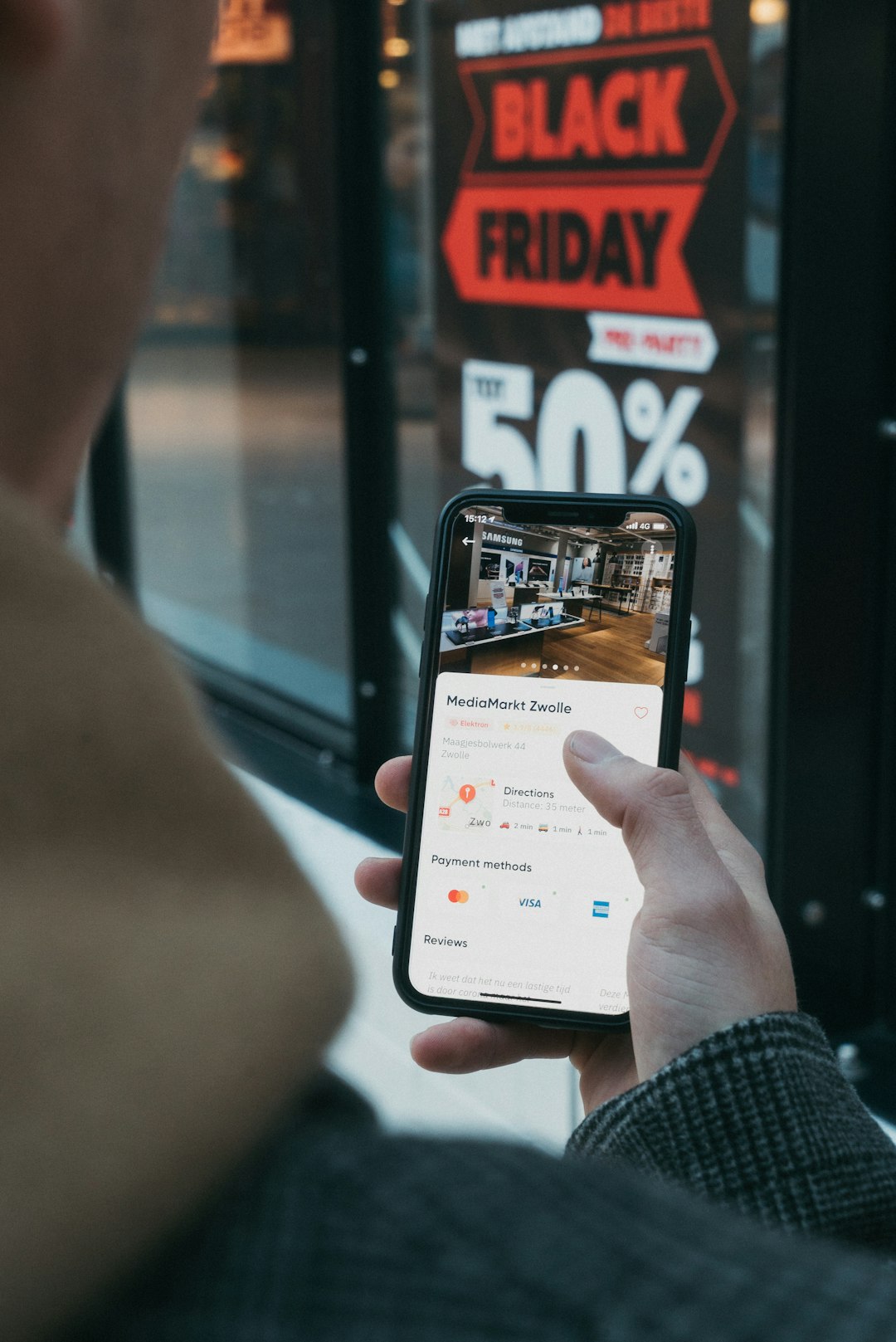
If you spent October watching a 55-inch television, you might have witnessed a subtle miracle of retail physics. In August, the screen sat quietly at £450. By late October, without any sudden upgrade to its screen resolution or speakers, the price had drifted up to £800. Then came November, accompanied by bright red banners, urgent countdown timers, and a triumphant markdown to £500.
To the casual shopper, it looks like a sweeping £300 saving. To anyone who kept an eye on the tag two months earlier, it is an extra £50 out of pocket for the exact same box.
This seasonal price dance is one of the most reliable traditions of autumn retail. As holiday shopping kicks into gear, millions of buyers look for genuine bargains, only to encounter promotional tricks designed to make ordinary prices look like extraordinary steals.
Why do prices jump right before a sale?
Retail pricing operates on perception. A product listed at £500 feels like an everyday purchase, but the same product listed at £800 with a 37 percent discount feels like an urgent opportunity you cannot afford to miss.
To create those eye-catching discount percentages, list prices often experience a sudden spike in the weeks leading up to Black Friday. In many markets, regulations require retailers to show an original price that was offered for a minimum period before claiming a markdown. Raising the price in early autumn satisfies the technical requirement, allowing shops to advertise massive savings against a figure almost nobody actually paid.
Another common tactic involves derivative models. These are television sets, laptops, or appliances built specifically for holiday sale events. They look identical to standard models on the shelf, but they carry slightly altered model numbers and stripped-back internal components, such as fewer connection ports or lower quality backlight panels. They are manufactured specifically to land at an attractive sale price point, meaning the original high reference price was often purely theoretical.
What does the evidence show?
Consumer advocates and price tracking researchers have documented these patterns across thousands of products.
A detailed Reddit price history tracking report followed fifty prominent holiday deals across major electronics categories. The tracking revealed that a substantial portion of advertised price cuts were calculated against inflated reference prices set just weeks before the promotion began.
Similar findings appear in the Which? consumer price tracking analysis. Their multi-year tracking of major holiday shopping events found that the vast majority of items discounted for Black Friday were actually available for the same price, or even cheaper, at other times of the year.
Guidance from consumer protection reporting, including a USA Today guide on deceptive sales, highlights that impulse purchases during promotional weekends are frequently driven by artificial urgency rather than genuine savings. Additional reporting from Experiments in Progress on misleading deals and PriceRunner shopping analysis underscores how common these promotional pricing habits have become across online storefronts.
Lucid ran a check on the evidence surrounding holiday promotional pricing tactics. The check found the claim that holiday sale discounts frequently rely on inflated list prices and derivative models to be Credible, supported by multi-outlet consumer research and price tracking logs.
How can you spot a misleading discount yourself?
You do not need to memorise the autumn price logs of every shop on the high street to protect your budget. A few simple habits make it easy to separate genuine bargains from clever marketing packaging.
First, check price histories before clicking buy. Independent browser extensions and tracking websites record the daily price of items on major shopping platforms over several months. Looking at a six-month price graph immediately reveals whether that 40 percent discount is a real drop or just a return to late summer levels.
Second, inspect model numbers closely. If an electronics deal looks unusually cheap, search the exact model code online. If the model only appears in search results starting in November, or if a single letter differs from the standard version, you are likely looking at a derivative model made specifically for the event.
Third, ignore the percentage badge entirely. Focus solely on the final figure and ask whether you would pay that amount for the item on an ordinary Tuesday in March.
Finally, be cautious with buy now pay later offers at checkout. Spreading the cost can seem harmless when adding items to your basket, but high interest rates after promotional periods can easily cancel out any actual savings you made.
Check before you buy
When you encounter an online offer, a deal link, or a product claim that seems almost too good to be true, you can verify it in seconds.
Drop the link or screenshot into the Lucid app to get a neutral, evidence-based verdict on product claims, online shops, and promotional deals before you spend your money.