
Search for a dinner idea online today, and you might land on a recipe written by software that has never stepped into a kitchen. Cybersecurity researchers recently exposed a network of over 2,100 automated food websites. These blogs publish thousands of AI-generated recipes every week to pull in search traffic and collect ad revenue.
None of these dishes have been cooked, tasted, or tested. That might sound like a harmless nuisance if it only leads to a disappointing loaf of bread, but text-generation models do not understand food safety. When an automated blog publishes instructions for canning, meat preparation, or raw ingredients, a hallucinated step can become a genuine health hazard.
Why are these sites publishing untested food claims?
Building an automated food blog is cheap and fast. A site owner sets up a script that prompts a language model to produce hundreds of recipes a day, complete with generic computer-generated images. The goal is to capture search traffic for niche dishes and display as many ads as possible to visitors.
Because language models work by predicting words rather than understanding chemistry, they frequently mix up preparation methods. They blend phrases from different source articles, stripping out crucial warnings or changing safety-critical numbers. If ten real recipes explain how to cook raw berries to remove natural toxins, a synthetic rewrite might accidentally suggest skipping the heat step altogether.
What happens when a recipe skips food safety steps?
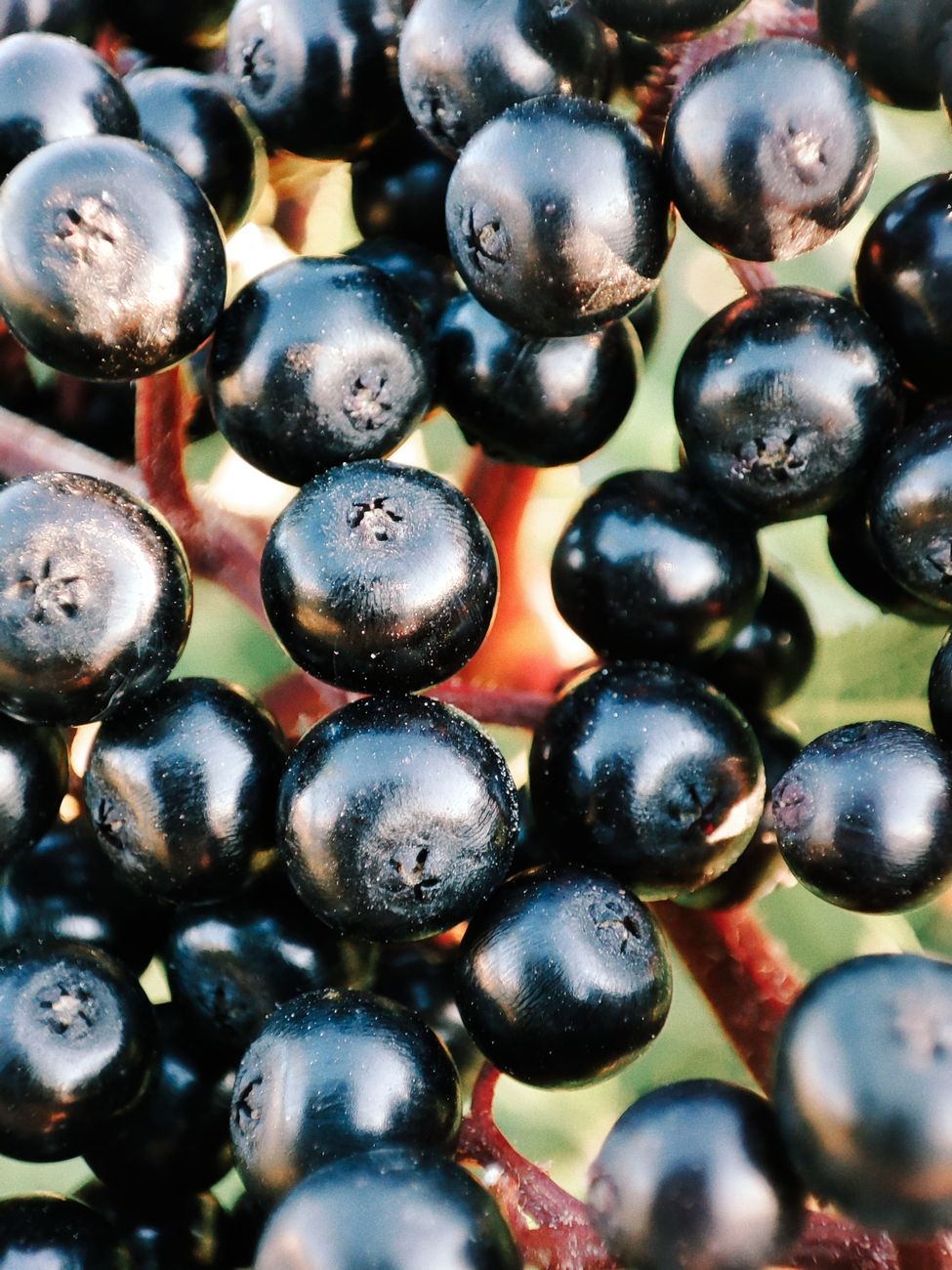
One widespread claim appearing across synthetic food blogs suggests that raw elderberry syrup can be prepared without heat treatment. Elderberries are popular in winter wellness recipes, but raw elderberries naturally contain cyanogenic glycosides. When consumed raw, these compounds break down into cyanide in the body, causing severe nausea, vomiting, and cramps.
Proper heat treatment, such as boiling or stewing the berries, neutralises these toxins and makes the resulting syrup, jam, or jelly completely safe. Yet, several automated posts advise readers to soak or blend raw berries without boiling them first.
When Lucid checked the claim that raw elderberry syrup needs no heat treatment to be safe, the verdict was Weak. Reliable food safety bodies and medical researchers confirm that raw elderberries are toxic and must be cooked before consumption.
How can you spot an AI recipe blog?
You do not need special tools to spot a synthetic recipe site once you know what to look for. Here are a few warning signs to check before you start cooking:
Look at the photos. Real food bloggers take photos of the cooking process, showing ingredients in bowls, pans on the stove, and finished plates on real tables. AI sites usually rely on polished, hyper-realistic single photos where lighting looks slightly unnatural or garnishes float unnaturally.
Read the instructions carefully. AI models often make basic logic errors. Look out for impossible measurements, missing ingredients mentioned in the steps but omitted from the list, or bizarre instructions like baking at temperatures that do not exist on standard ovens.
Check the author page. Human food writers usually share personal details, culinary backgrounds, or notes about how many times they tested a recipe. Synthetic sites feature brief, vague author bios with generic profile pictures or no author attribution at all.
Watch for generic text. Automated blogs often open with several paragraphs of repetitive filler copy that reads like a school essay explaining what a dish is, rather than offering helpful tips on how to prepare it.
Where to check trusted cooking guidelines
When trying new preservation methods, wild ingredients, or safety-sensitive recipes like home canning, always rely on tested guidelines from established institutions.
Research published by the CDC documented historical cases of severe poisoning from unpasteurised elderberry juice. Educational institutions like the University of Minnesota Extension and the Oregon State University Extension publish clear guides on safe elderberry preparation, confirming that heat treatment is mandatory. For general meat temperatures and preservation rules, guidelines from the USDA Food Safety and Inspection Service remain the standard.
Checking claims before you cook
If you run across a questionable cooking claim or health tip while browsing social media or searching for dinner ideas, you can check it before you start preparing ingredients. Dropping a link or text snippet into Lucid gives you a clear verdict grounded in reliable sources, so you never have to guess whether a step is safe.
Sources
- Why You Can't Eat Raw Elderberries (and How to Enjoy Them Safely)
- Elderberry Safety FAQ
- Are Elderberries Poisonous? Raw vs. Cooked
- What to know about elderberries - Ohio State Health & Discovery
- Elderberries the safe way - UMN Extension
- Play it safe when preserving elderberries - Oregon State University Extension
- Cyanogenic Glycoside Analysis in American Elderberry - PMC
- Poisoning from Elderberry Juice - CDC
- Discussion on raw elderberries - Reddit Foraging