
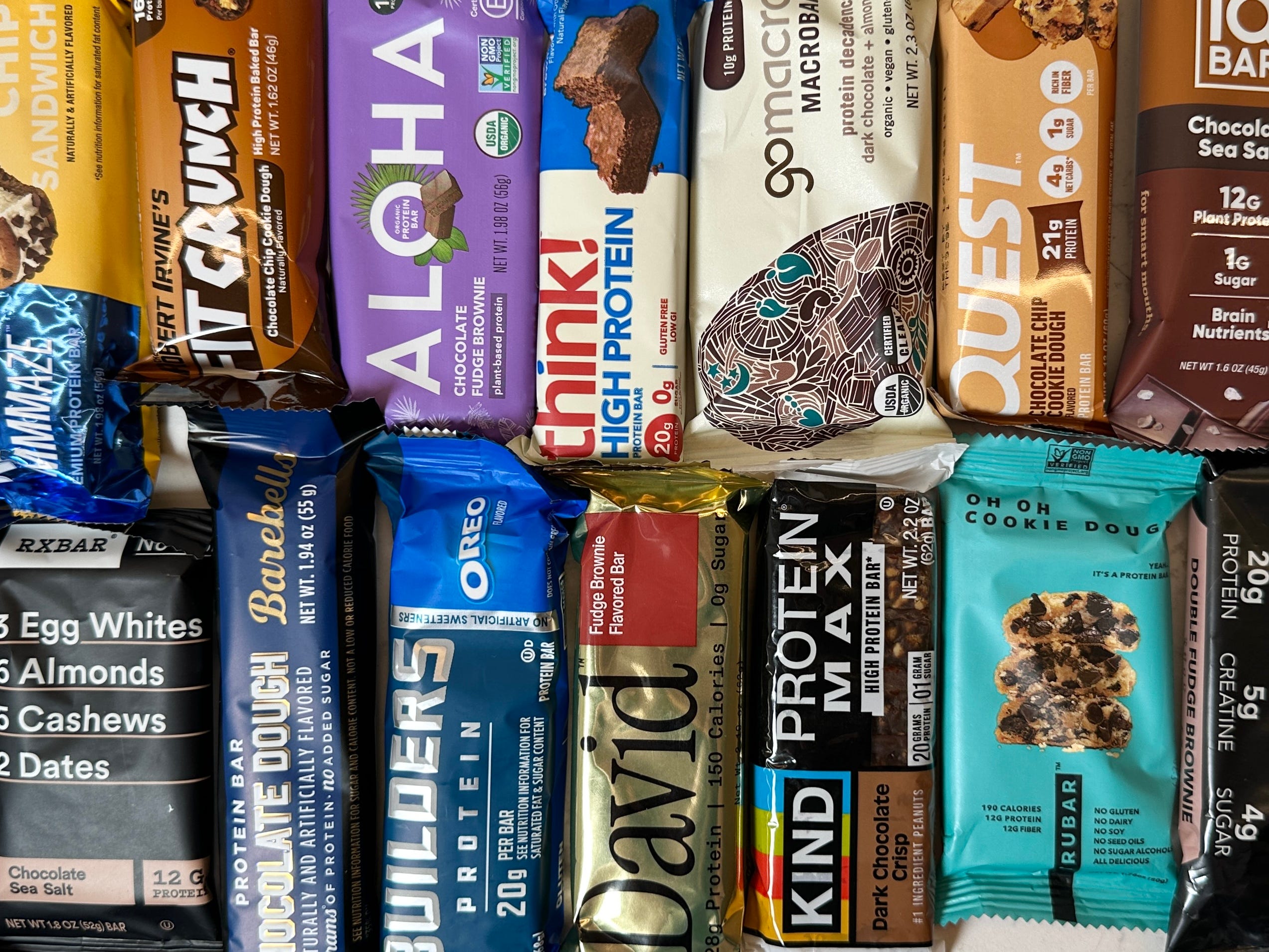
A new class action filing in federal court has put snack packaging back under scrutiny. The lawsuit targets a familiar claim on the front of high-protein fitness bars: zero sugar. Shoppers buying these bars often assume that zero grams of sugar on the nutrient label translates directly to zero impact on their blood glucose levels.
The reality on the back of the wrapper is a bit more complicated. Most zero-sugar or low-carb snacks replace sucrose with sugar alcohols like maltitol, erythritol, and xylitol. Snack makers subtract these polyols from the total carbohydrate count to advertise a low net carb figure. But as legal filings and dietary science both point out, your body does not treat every sugar alcohol as an invisible ghost.
How do sugar alcohols work in zero sugar snacks?
Sugar alcohols, or polyols, are organic compounds derived from sugars that have a chemical structure resembling both alcohol and carbohydrates. They taste sweet, but the human digestive system struggles to absorb them fully. Because they pass through the digestive tract largely unabsorbed, they deliver fewer calories per gram than regular table sugar.
This incomplete absorption is why food labeling standards allow companies to calculate net carbs by subtracting polyols from total carbohydrates. As noted in FDA Guidance on Food Labeling, ingredient declarations must list sugar alcohols separately under total carbohydrates, but marketing slogans on the front of the packet often compress this math into a simple zero sugar badge.
However, partial absorption does not mean zero absorption.
Can sugar alcohols actually raise your blood glucose?
Yes, and the degree of impact depends heavily on which sugar alcohol the manufacturer selects.
Not all polyols behave the same way in the human bloodstream. The glycemic index measures how rapidly a food raises blood sugar on a scale from 0 to 100, where pure glucose sits at 100. Regular table sugar ranks around 65.
According to clinical guidance from Yale New Haven Health and nutritional data reviewed by Medallion Labs, sugar alcohols span a wide range:
* Erythritol has a glycemic index of 0 and contains almost no usable calories, passing mostly unchanged through the body. * Xylitol carries a glycemic index around 12 to 13, producing a minor blood sugar shift. * Maltitol, one of the most common sweeteners in low-sugar protein bars, has a glycemic index between 35 and 52 depending on whether it is in syrup or powder form.
Maltitol can trigger a blood sugar response nearly half as strong as regular sugar. When a protein bar relies on maltitol to reach a zero sugar claim, telling consumers the snack has zero glycemic impact is inaccurate.
What did Lucid find when assessing this claim?
We ran the claim that zero-sugar protein bars containing sugar alcohols have zero glycemic impact through Lucid.
Lucid returned a verdict of Misleading.
While replacing traditional sugar with polyols generally leads to a smaller glucose rise, it does not eliminate that rise entirely. Furthermore, the overall glycemic response depends on the surrounding food matrix. As analysis from BSC Supplements and research cited by Rise Bar explain, dietary fibre and protein inside a bar can slow down digestion, but they do not erase the carbohydrates present in ingredients like maltitol.
Reporting in the Metropolitan News-Enterprise and recent US District Court filings highlight that consumer protection standards increasingly challenge front-of-pack claims that gloss over these physiological facts. When packaging implies a snack leaves blood sugar untouched, it misleads people who rely on those labels to manage their health.
What should you check on the label instead?
You do not need a degree in biochemistry to protect your diet from clever packaging. Here is how to verify what you are actually consuming before you buy:
First, turn the package over and check the ingredient list for the specific sugar alcohol used. If the primary sweetener is erythritol or stevia, the impact on blood glucose will be minimal. If the product relies heavily on maltitol, expect a moderate blood sugar response and plan accordingly.
Second, look at the total carbohydrate line rather than relying on front-of-pack marketing. Guidance from Bulk Nutrients suggests counting at least half the grams of maltitol as active carbohydrates when calculating nutritional targets. Sports nutrition notes from NZ Supps also point out that large doses of sugar alcohols can cause digestive discomfort, making moderation sensible.
Third, remember that individual metabolic responses differ. Testing videos on platforms like Instagram show health creators monitoring their glucose after eating high-polyol snacks, often revealing noticeable personal spikes.
If you see a bold health claim on a product page or packaging and want to check whether the science holds up, drop the link or photo into Lucid. Lucid parses the claim, cross-references clinical sources, and gives you a clear verdict without the marketing spin.
Sources
* Aloha: Sugar Alcohols and Erythritol: Are They Safe? * Yale New Haven Health: Eat Any Sugar Alcohol Lately? * Cleveland Clinic: What You Should Know About Sugar Alcohols * Medallion Labs: Understanding Sugar Alcohols * BSC Supplements: Sugar Alcohols Explained * Rise Bar: Natural Sugar vs. Sugar Alcohols * Bulk Nutrients: Are Sugar Alcohol Ingredients in Protein Bars Safe? * NZ Supps: 10, 15g Rule for Sugar Alcohols in Protein Bars * Instagram Reel on Protein Bar Claims